▌ RESTRICTED ACCESS
Authorized Personnel Only
This content is restricted. Enter your credentials to continue.
U.S. procurement, vaulted custody, and defense-grade supply of strategic metals and rare earth elements.
Patriot Strategic Metals LLC sources, refines, and vaults the materials America's defense industrial base, semiconductor manufacturers, and energy technologies cannot operate without — held in U.S. government-grade custody, released on demand.
This content is restricted. Enter your credentials to continue.
Patriot Strategic Metals is built on a single conviction: a sovereign nation cannot outsource the supply of the materials that build its weapons, energy systems, and semiconductors. We hold the reserve. We control the chain. We release on demand.
Procure and refine within U.S. borders and allied jurisdictions. Reduce reliance on adversarial supply chains under the Defense Production Act Title III.
Materials stored in U.S. government-grade vault facilities with chain-of-custody documentation, environmental controls, and audited inventory.
Defense contractors, semiconductor fabs, and authorized manufacturers draw against held inventory. No spot exposure. No supply shock.
Partnerships with allied-nation refiners, government finance partners, and the broader Defense Industrial Base Consortium.
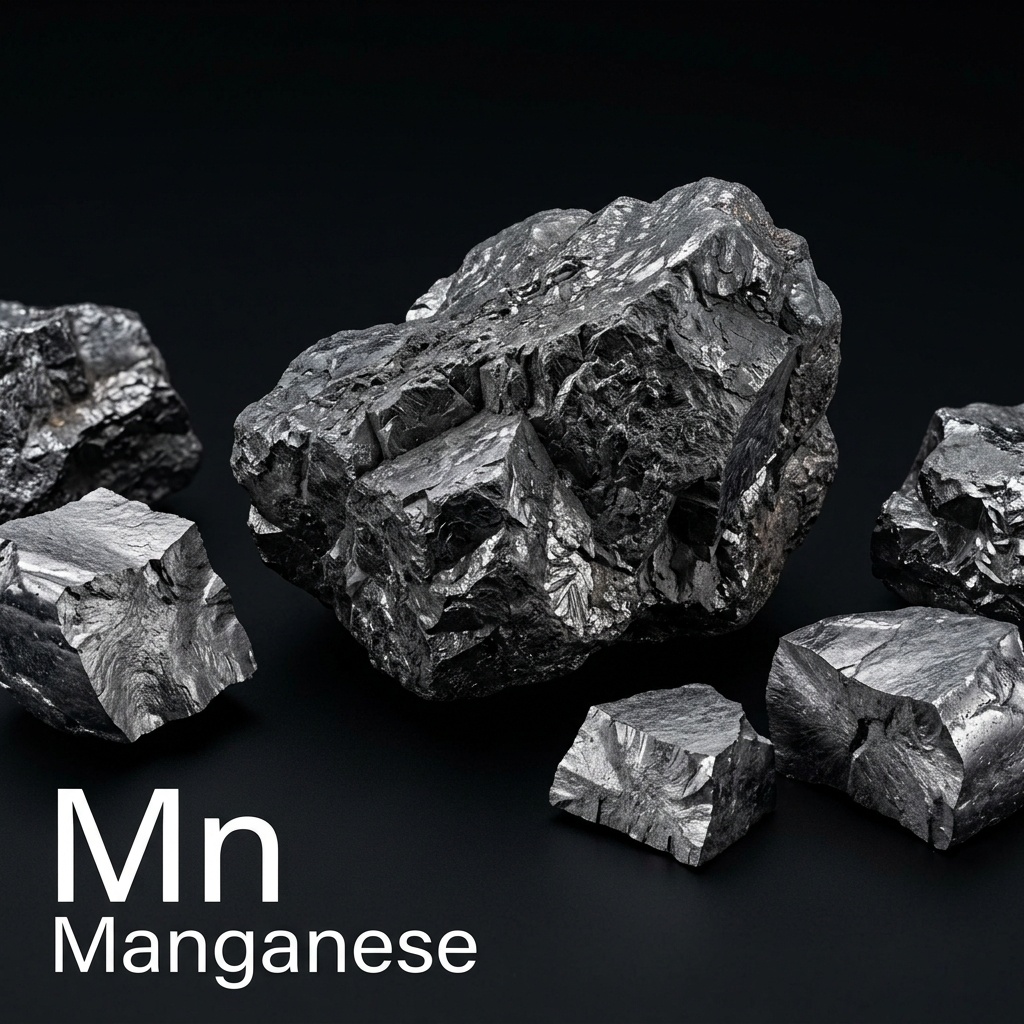
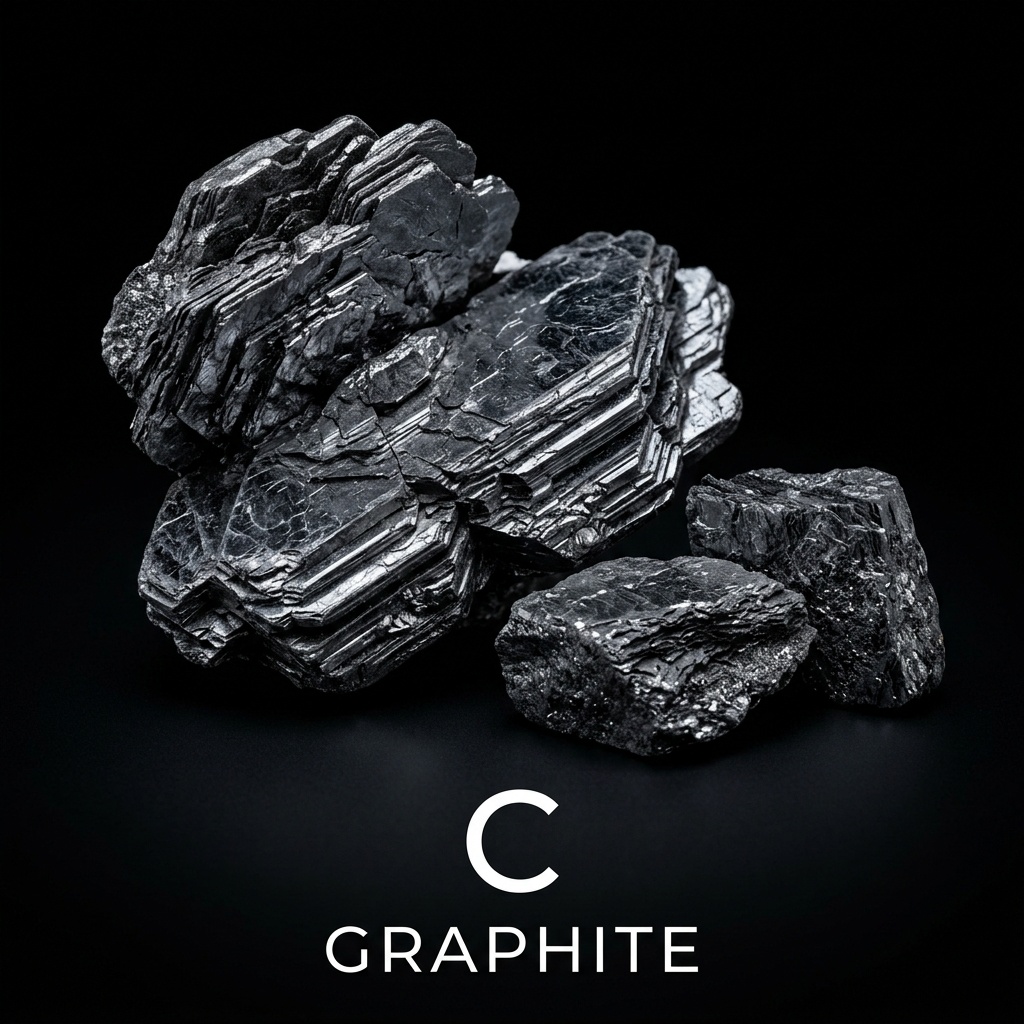
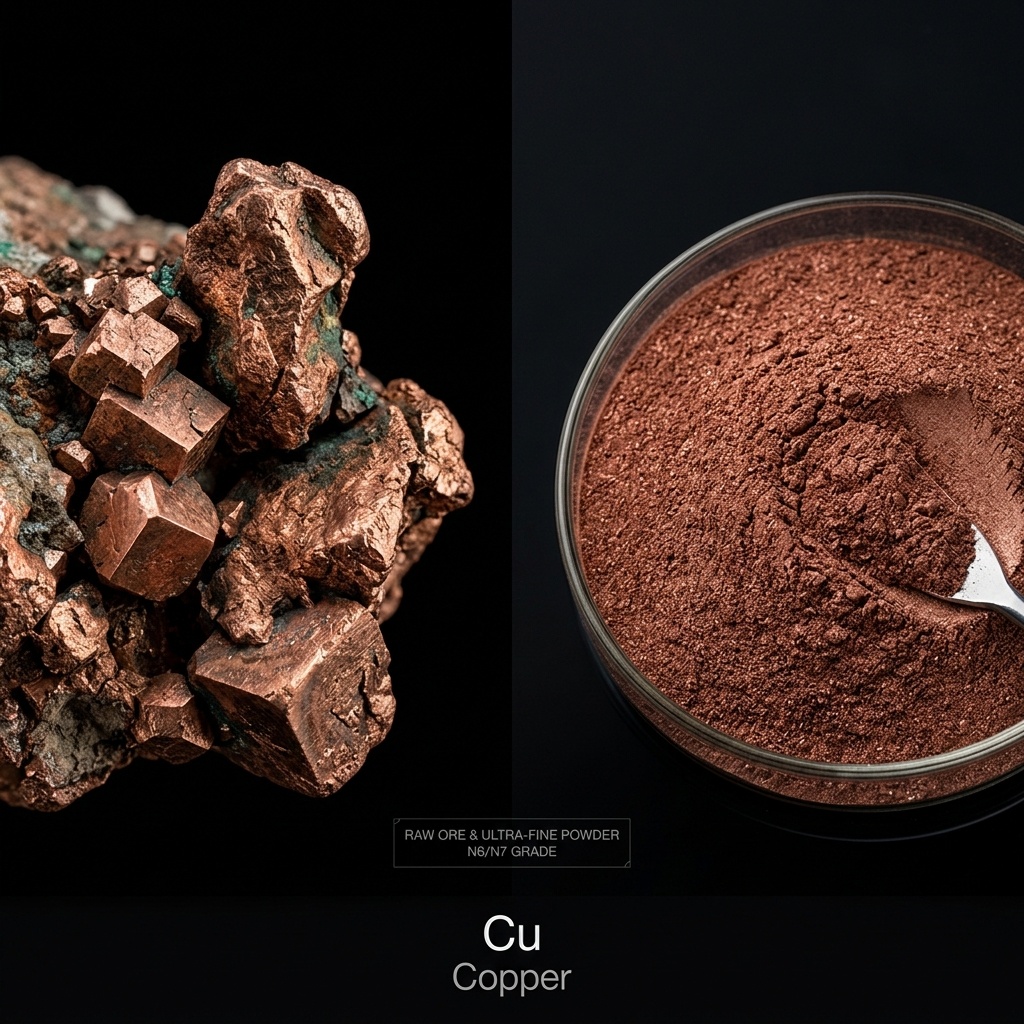
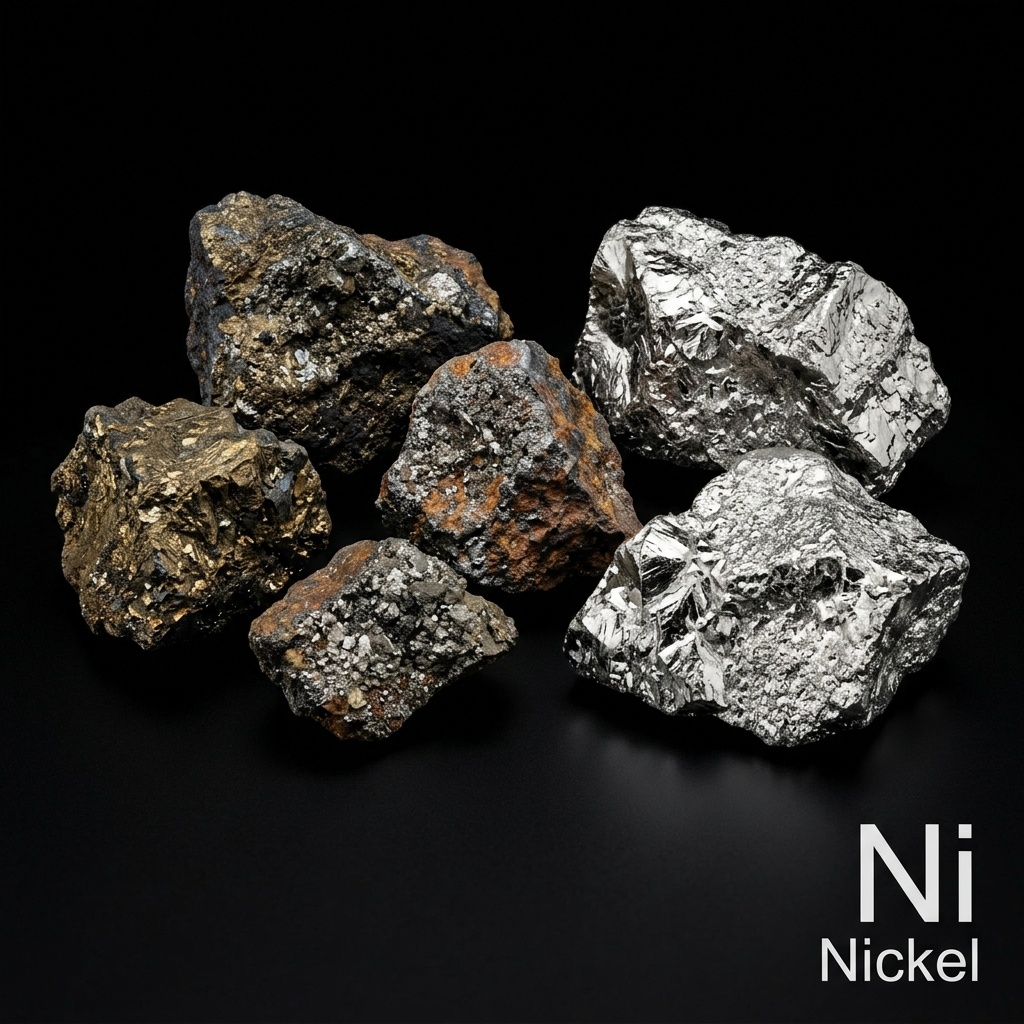
From ultra-fine copper powder shipping live on the Demora exchange to rare earths held in long-term reserve — the materials that build defense electronics, hypersonic systems, EUV lithography, and grid-scale energy storage.
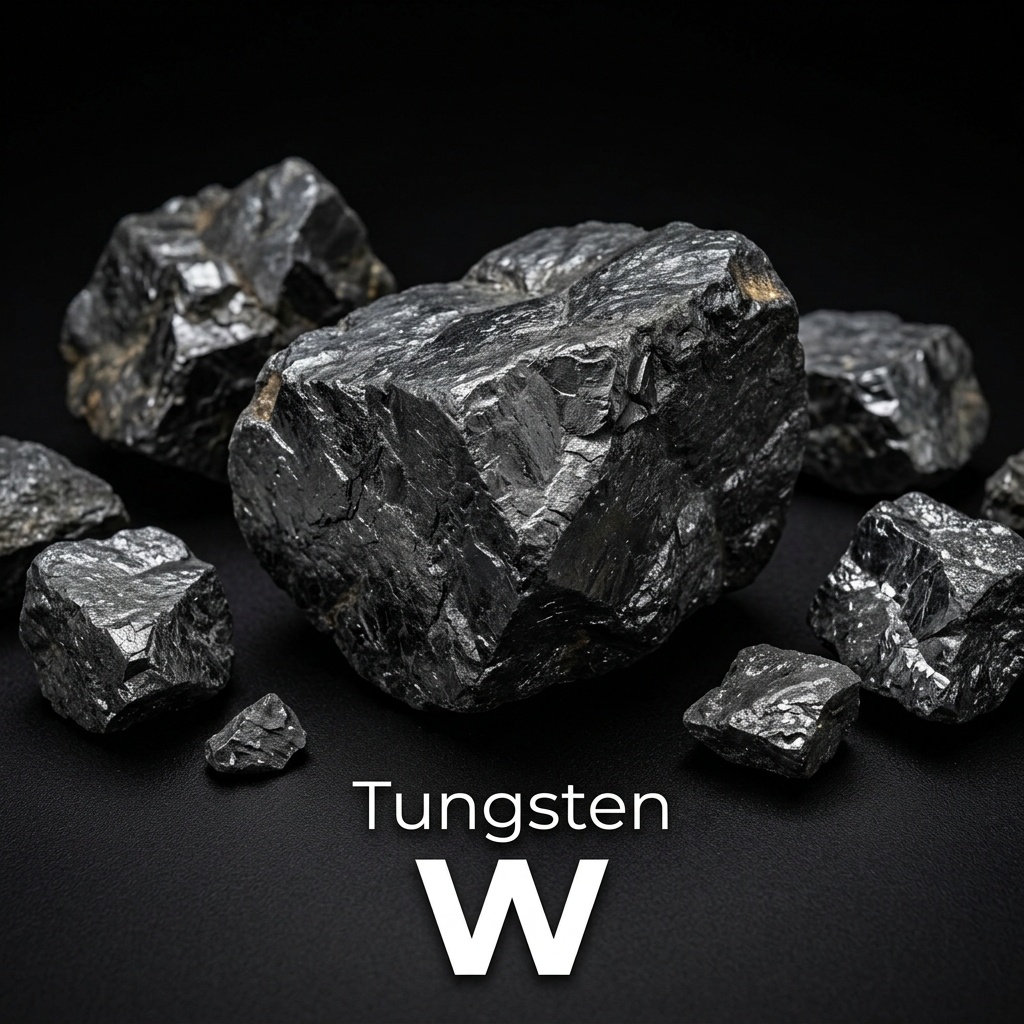
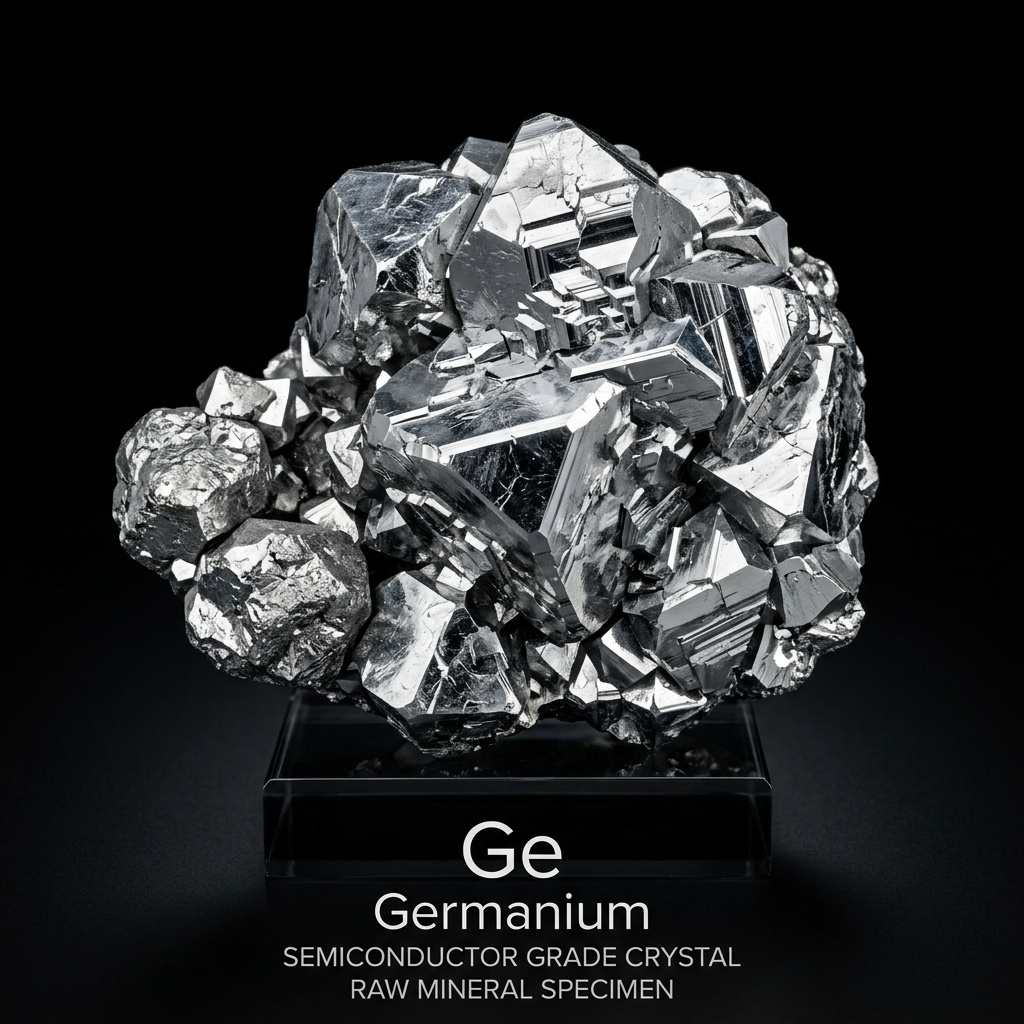
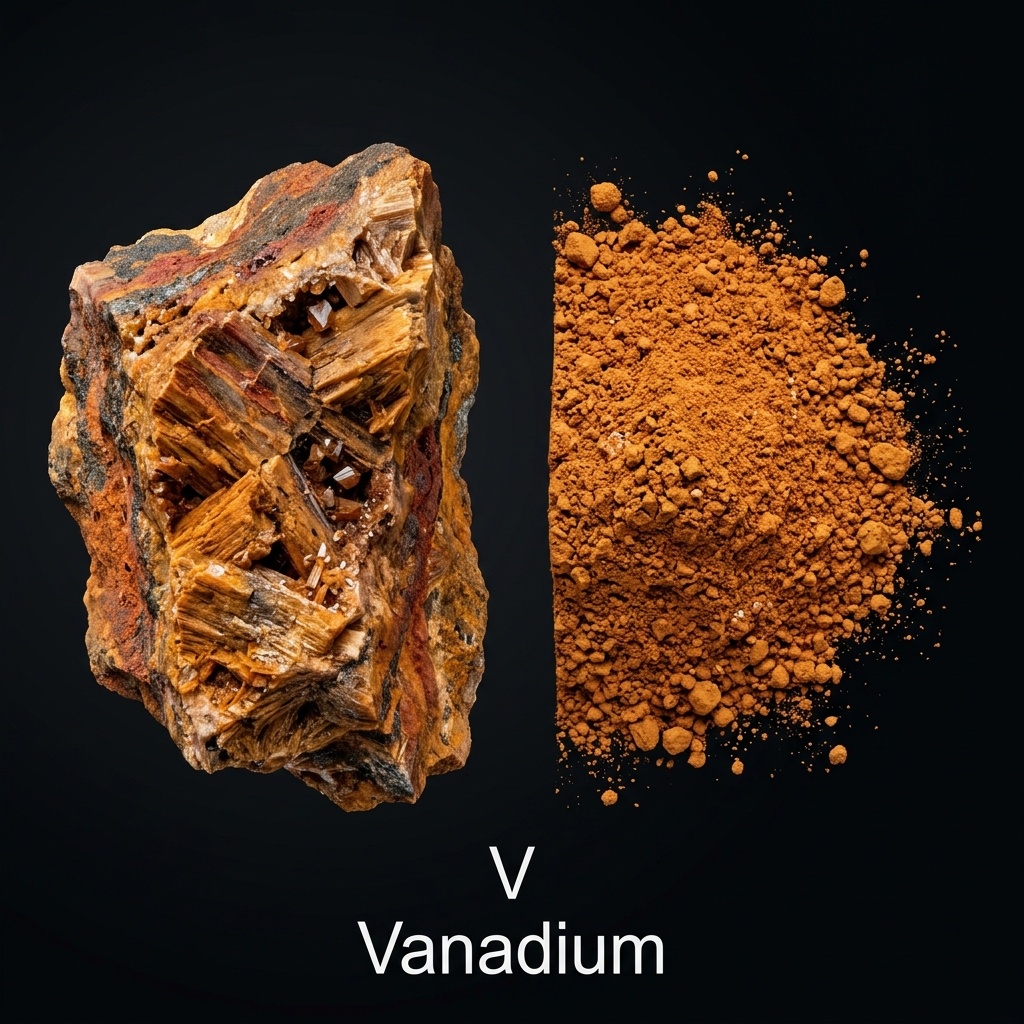
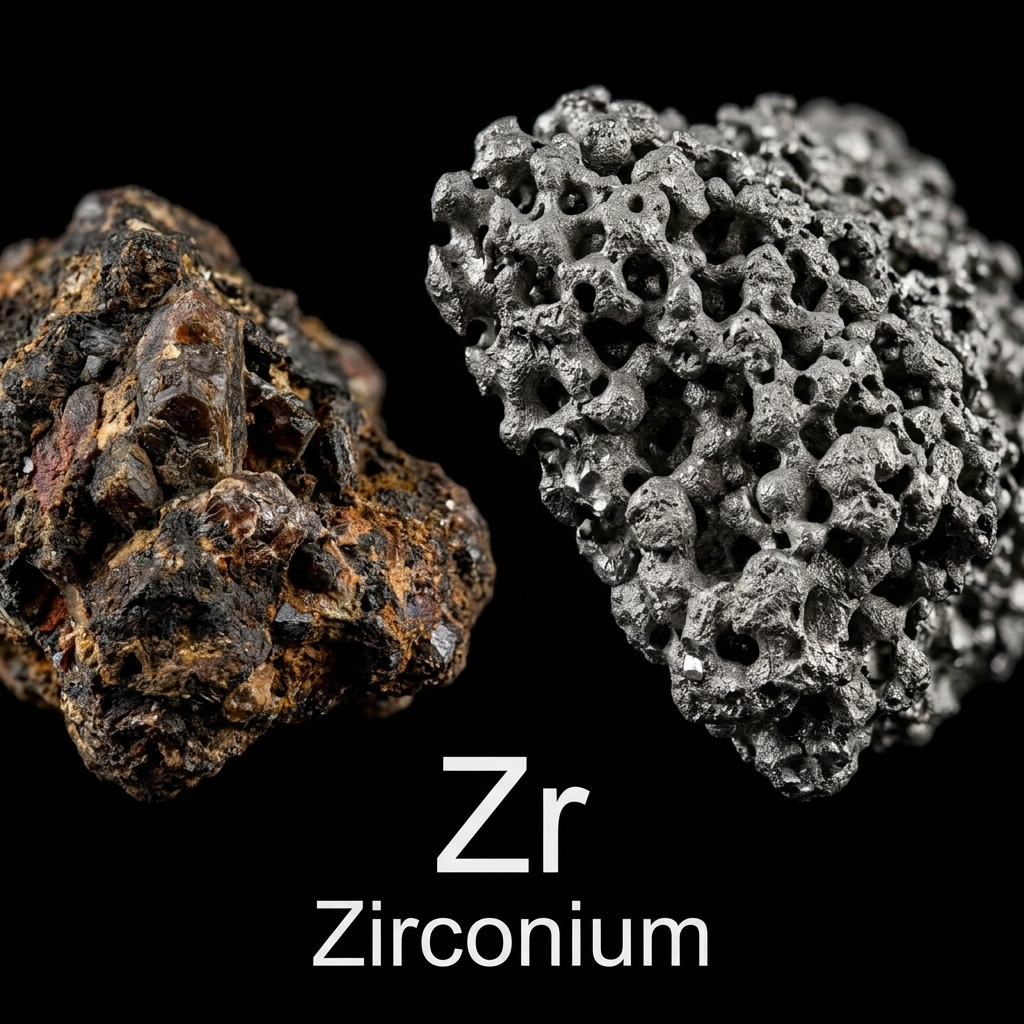
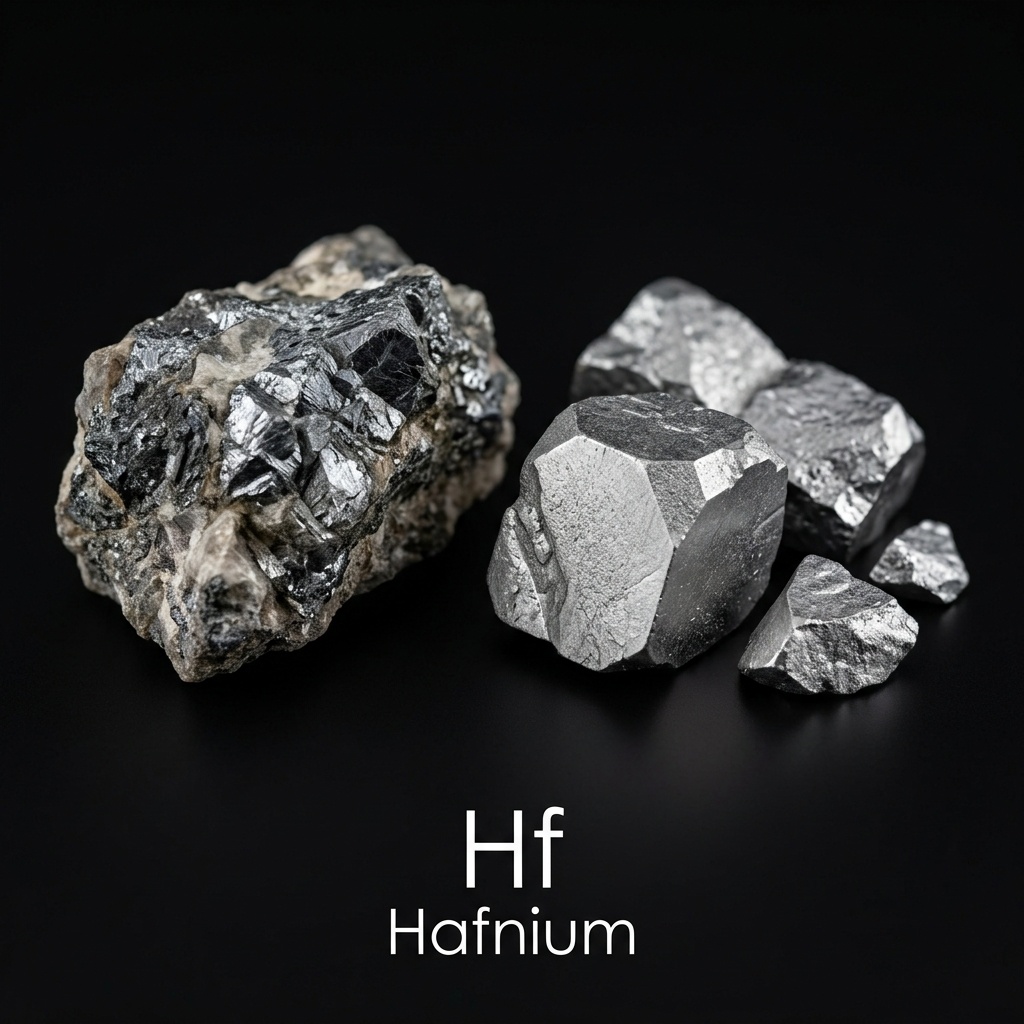
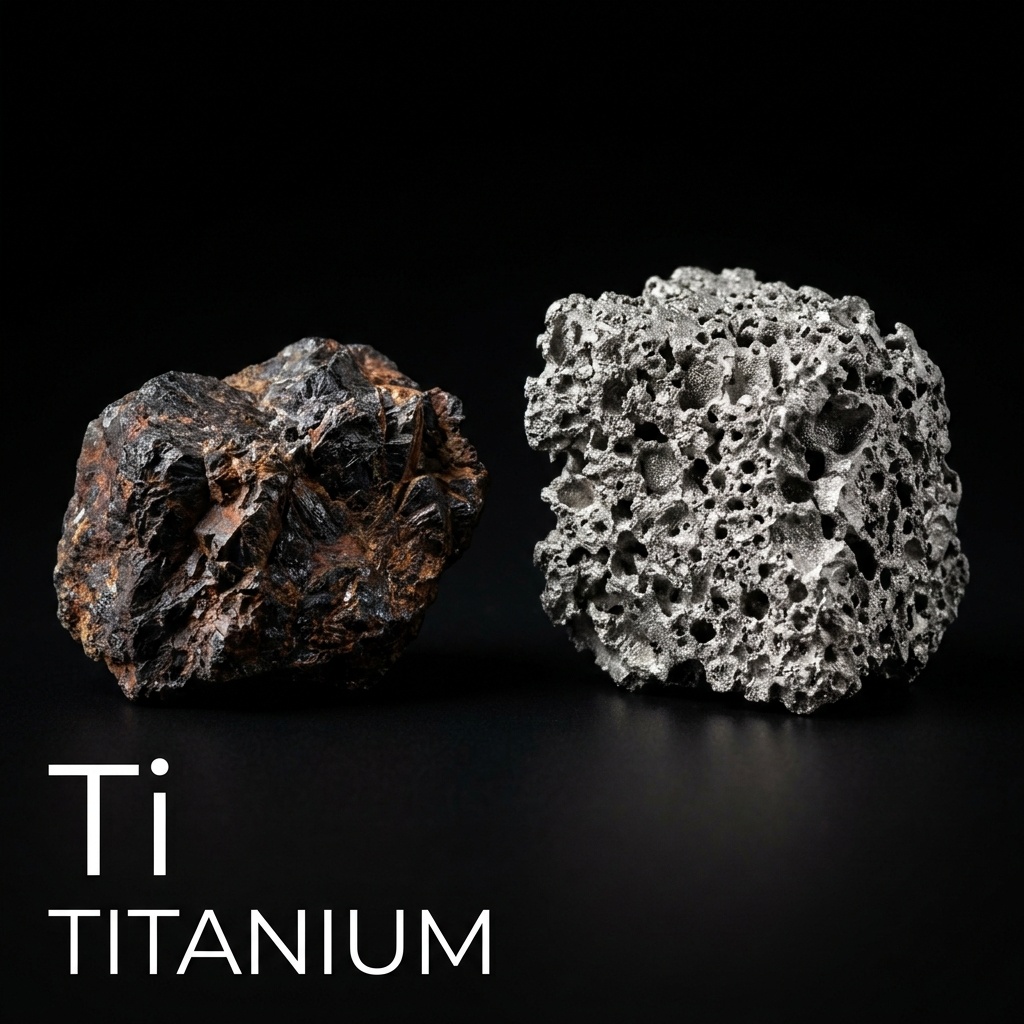
Patriot Strategic Metals secures its upstream feedstock through qualified allied partners operating in jurisdictions with documented chain of custody, transparent origin disclosure, and export-control compliance. The structural concentration of global mine and processing output makes allied sourcing not a preference but a procurement requirement.
Securing the materials behind the AI economy.
An integrated strategic materials platform serving allied institutional, governmental, and capital-markets counterparties — anchored by Swiss bonded custody and Korean industrial logistics, operating across seven divisions of the strategic materials value chain.
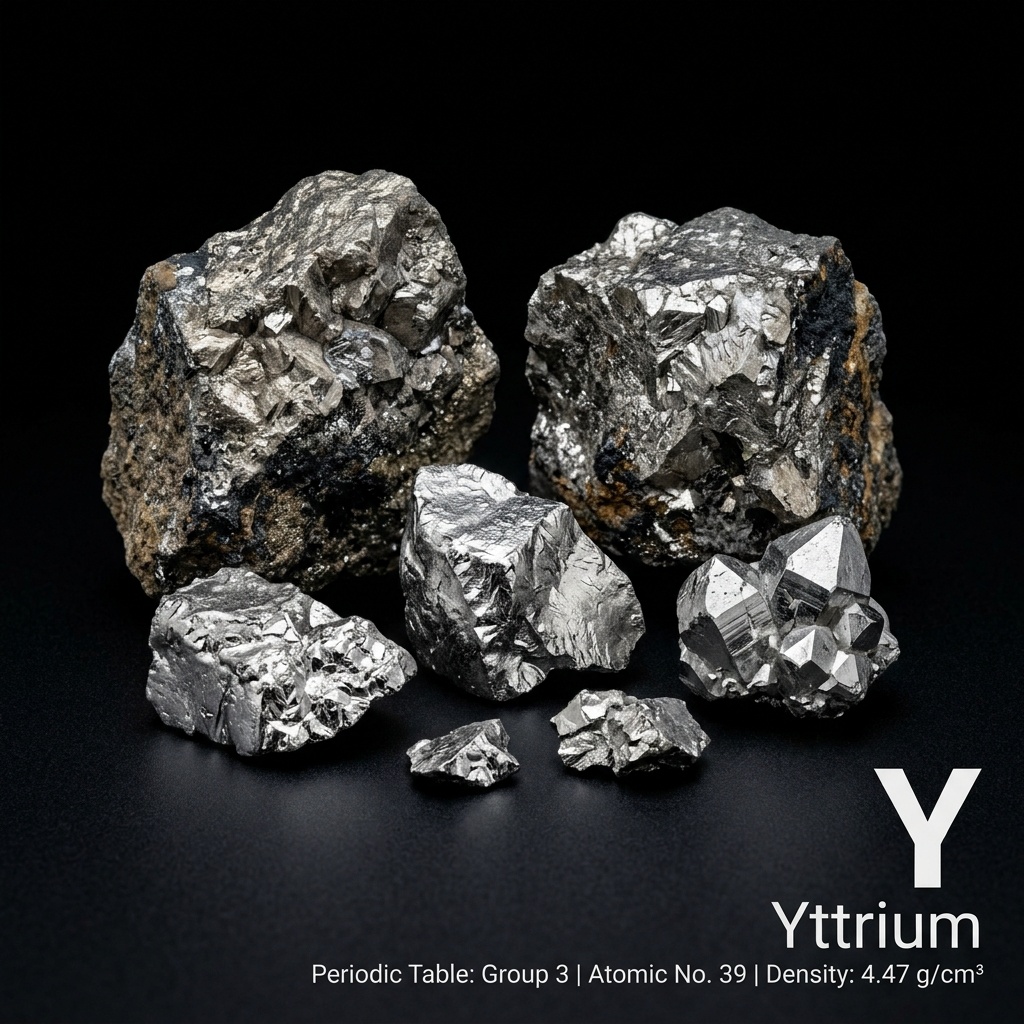
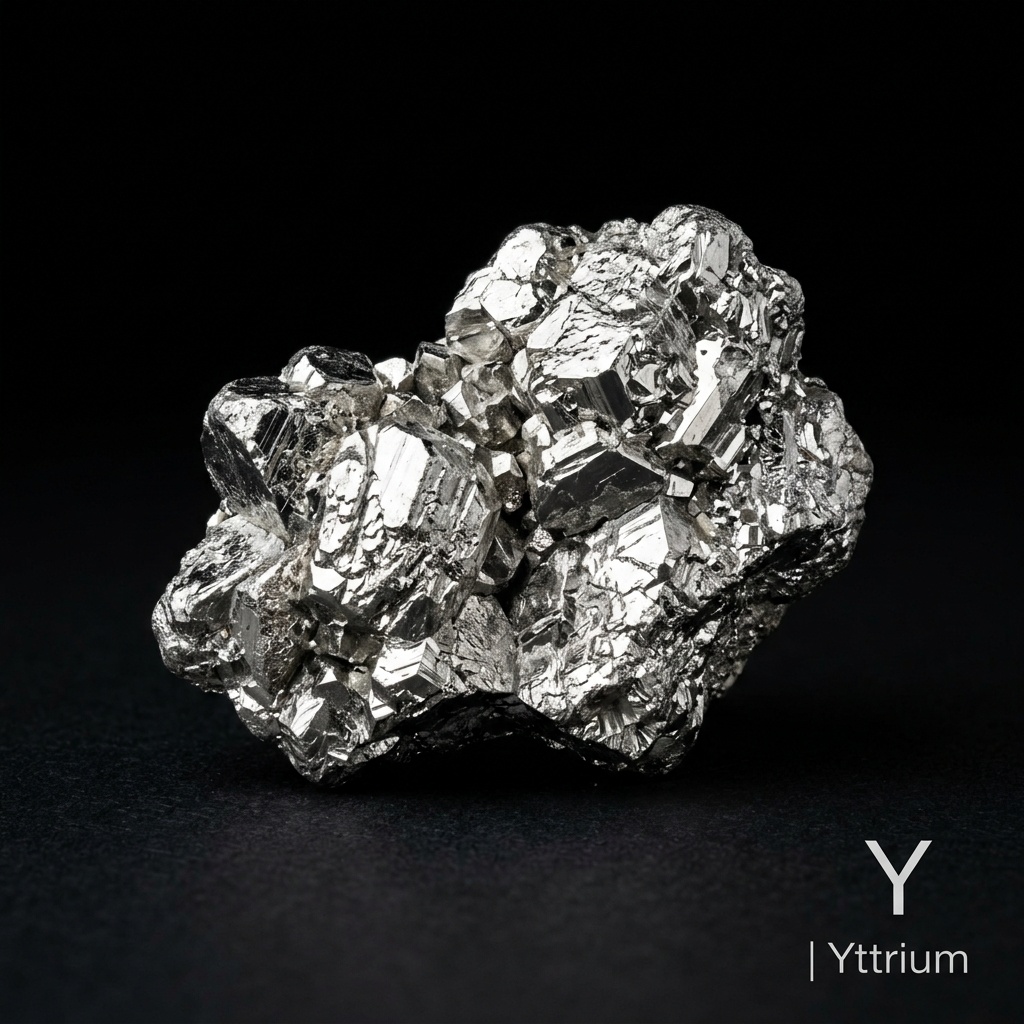
A silvery-white rare earth metal whose compounds — especially yttrium oxide (Y₂O₃) — find widespread use across electronics, materials science, medicine, and energy technologies, owing to its exceptional optical, thermal, and chemical properties.
Yttrium oxide doped with europium produces stable, efficient red light emission — powering LEDs, flat-panel displays, and pc-WLEDs. Yttrium aluminum garnet (YAG) doped with cerium serves as the yellow phosphor in modern LED lighting.
Nd:YAG crystals are the backbone of solid-state laser technology across industrial cutting, precision welding, medical surgery, dental procedures, digital communications, distance sensing, and photoluminescence.
Yttrium stabilizes zirconia to create yttria-stabilized zirconia (YSZ) — offering outstanding thermal shock resistance across aerospace thermal barrier coatings, automotive oxygen sensors, and wear-resistant cutting tools.
Even at 0.1–0.2% concentration, yttrium acts as a grain refiner, deoxidizer, and strengthening agent in vanadium, chromium, titanium, aluminum, and magnesium alloys.
Yttrium barium copper oxide (YBCO) operates at ~93 K — enabling MRI machines, power grid infrastructure, and scientific research magnets. Yttrium iron garnet (YIG) is the material of choice for microwave filters in radar systems.
YAG lasers for ophthalmology; YSZ-based biomedical implants; ⁹⁰Y SIRT radioembolization for liver tumors — microscopic radioactive beads delivering targeted high-dose radiation while sparing healthy tissue.
Source: ISE Chemical Database · Currency: EUR (REO basis) · Reference only; not an offer
Ready to draw against the reserve?
5N Yttrium is allocated through SMAP. Qualified defense primes, federal programs, and authorized commercial buyers may request inquiry-basis pricing and material reservation.
Four converging trends are repricing rare earth elements from a niche industrial input into a strategic asset class. Each trend reinforces the other, and each is structural — not cyclical.
Every advanced-node accelerator, HBM stack, and hyperscale cooling system depends on a narrow set of strategic materials concentrated in a small number of jurisdictions. AI sovereignty begins with material sovereignty.
REE demand could grow three to seven times by 2040, driven by EV permanent magnets, wind generators, and the broader low-carbon transition. The installed base creates multi-decade pull that cyclical downturns do not unwind.
As of 2024, China held approximately 69% of global REE mine output, 49% of known reserves, and over 85% of processing capacity. The 2010 China–Japan dispute remains the canonical illustration of supply risk.
Urban mining, e-waste recovery, and AI-enabled recycling have moved from environmental initiative to economic infrastructure — a complement to primary mining and a hedge against single-jurisdiction concentration.
Source: IEA projections cited in Sharma & Mellal (Eds.), Rare Earth Elements: Essential Materials for Energy and Sustainable Development, CRC Press, 2026.
Demand is structural — not cyclical.
Two decades of consolidation have produced a single-jurisdiction dependency at every layer of the rare earth value chain — mining, processing, and reserves.
China's share of global rare earth mining production, reflecting two decades of capacity consolidation in a single jurisdiction.
China's share of global midstream REE separation and refining capacity — the most concentrated and least substitutable layer of the value chain.
China's share of identified global rare earth reserves, providing structural durability to its production position over multi-decade horizons.
The 2010 China–Japan diplomatic dispute, in which rare earth exports to Japan were curtailed, remains the canonical illustration of how single-jurisdiction supply concentration translates into industrial-base risk. The episode catalyzed the strategic-materials policy frameworks now operative in the U.S., EU, Japan, and Korea.
Rare earths are not interchangeable. Each element occupies a specific position in a specific end-use; substitution is constrained, and qualification cycles for defense and semiconductor applications run from months to years.
| Element | Primary Applications | Sector |
|---|---|---|
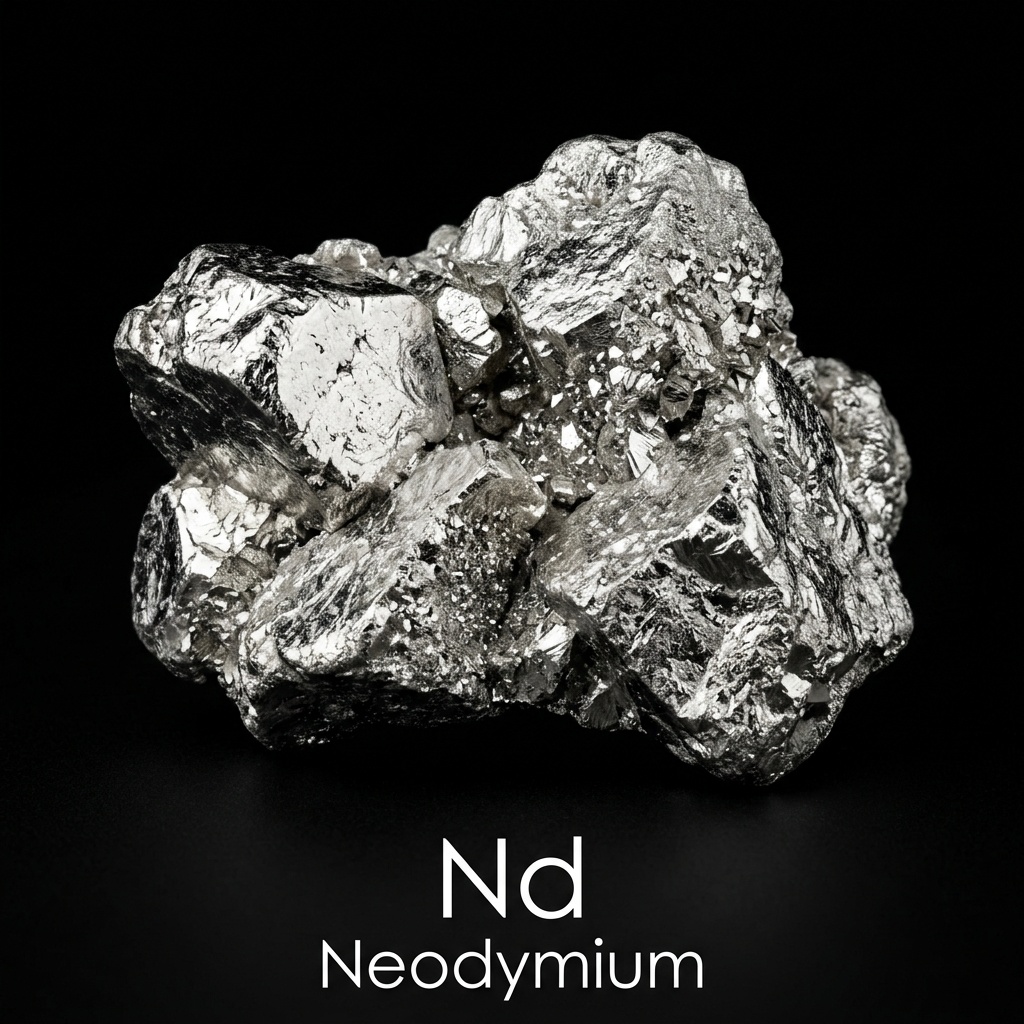
| Nd Neodymium | NdFeB permanent magnets — EV traction motors, wind turbine generators, hard-disk actuators, precision servos, and industrial automation. | EVWindIndustrial |
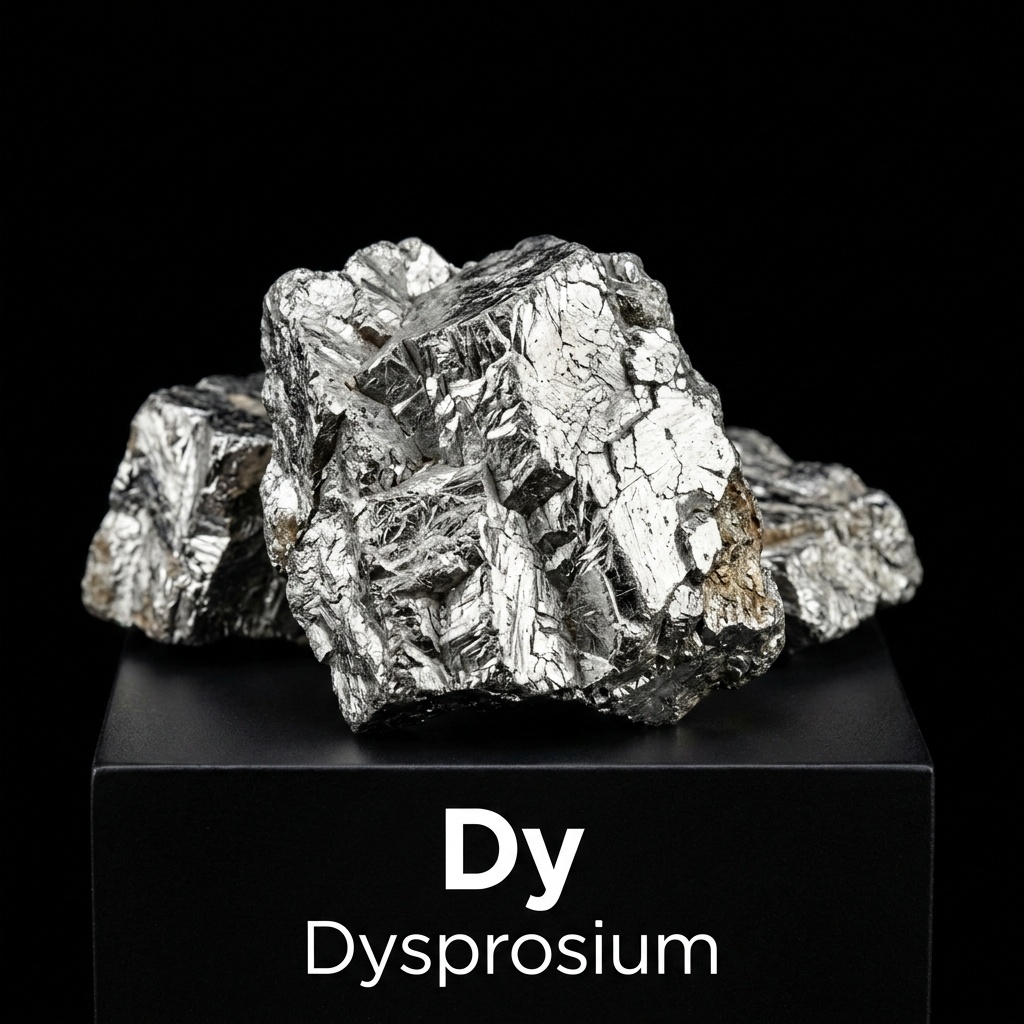
| Dy Dysprosium | Thermal stabilizer for NdFeB magnets operating at elevated temperatures — required for EVs, offshore wind, and defense actuators. | EVDefenseWind |
| Tb Terbium | High-coercivity magnet additive alongside dysprosium; green phosphors for solid-state lighting and trichromatic displays. | DefenseLighting |
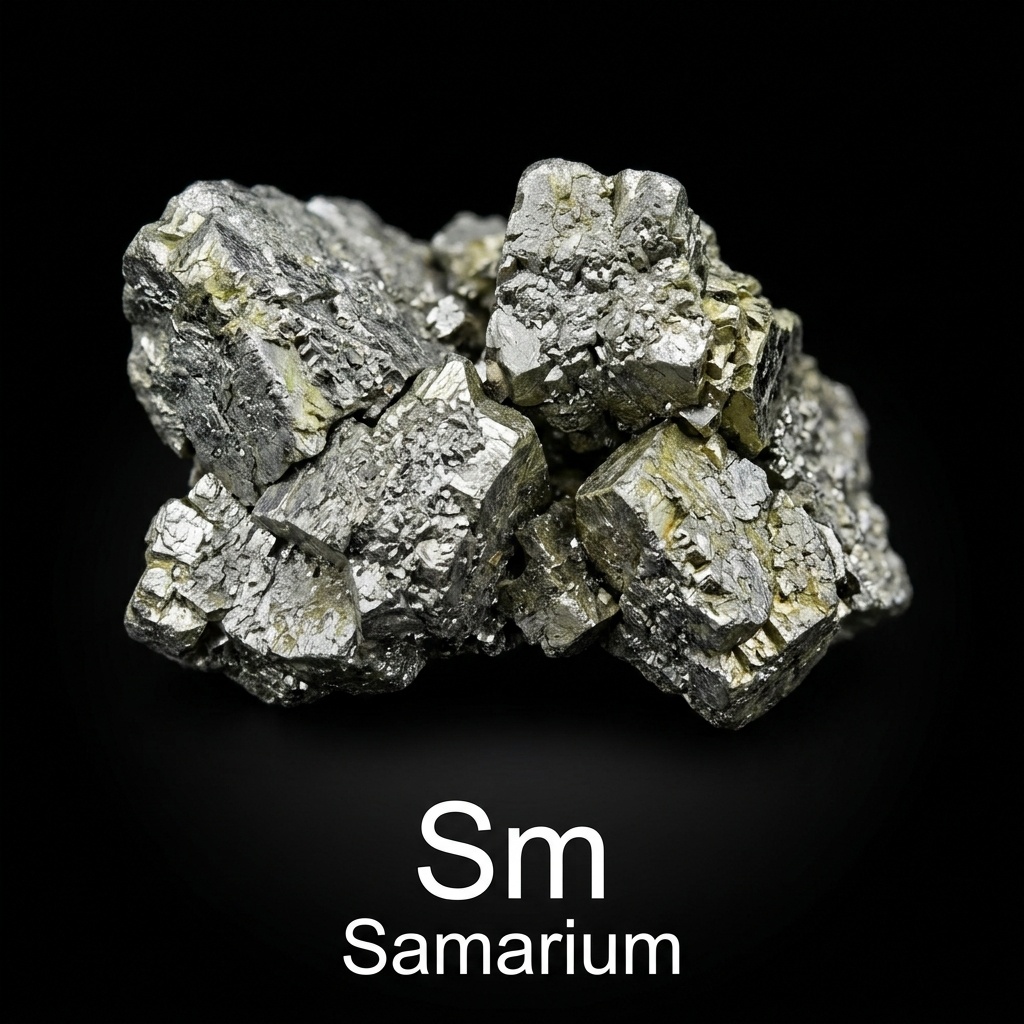
| Sm Samarium | Samarium-cobalt magnets for high-temperature aerospace actuators, precision-guided munitions, and defense electronics. | AerospaceDefense |
| Y Yttrium | YAG laser host crystals, phosphors for displays and lighting, oxygen sensors, and high-temperature superconductor matrices. | LaserDisplayHTS |
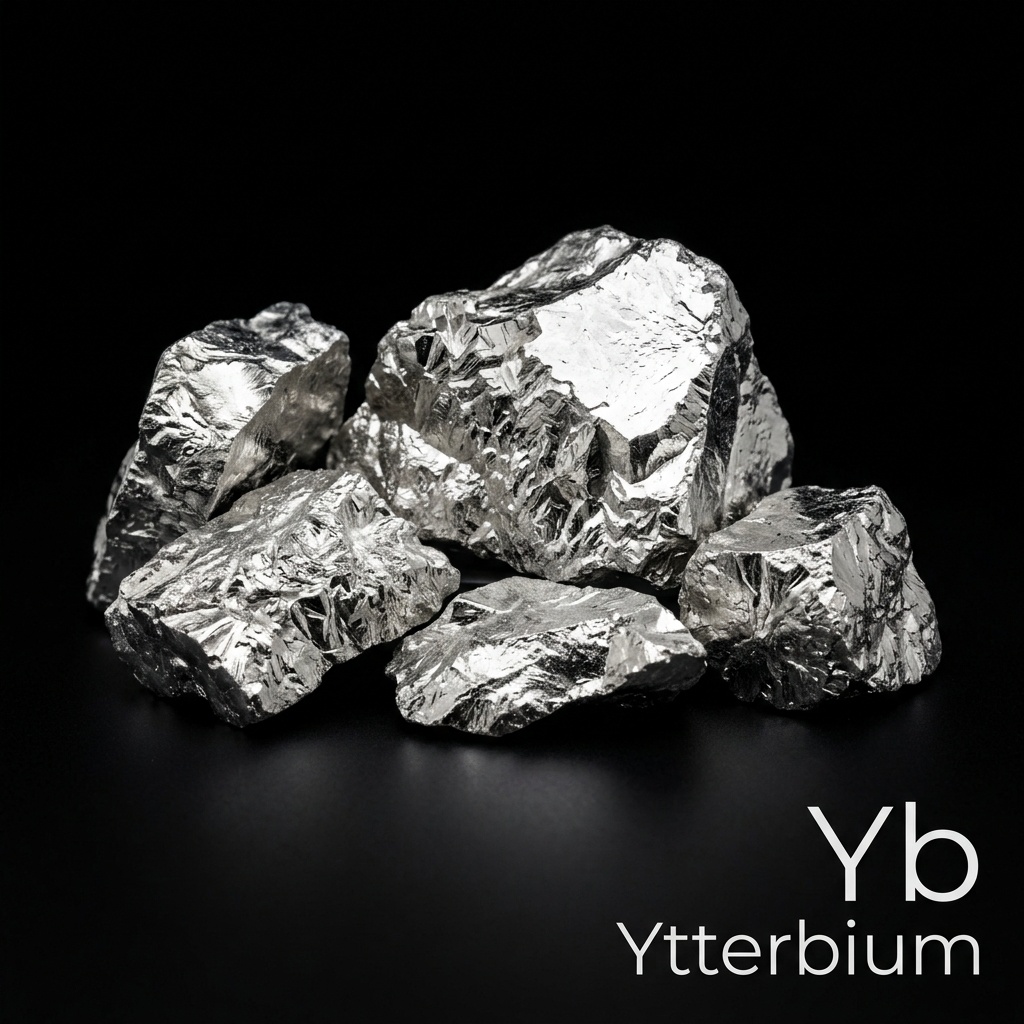
| Yb Ytterbium | High-power fiber laser dopant for additive manufacturing, defense directed-energy systems, and precision materials processing. | DefenseManufacturing |
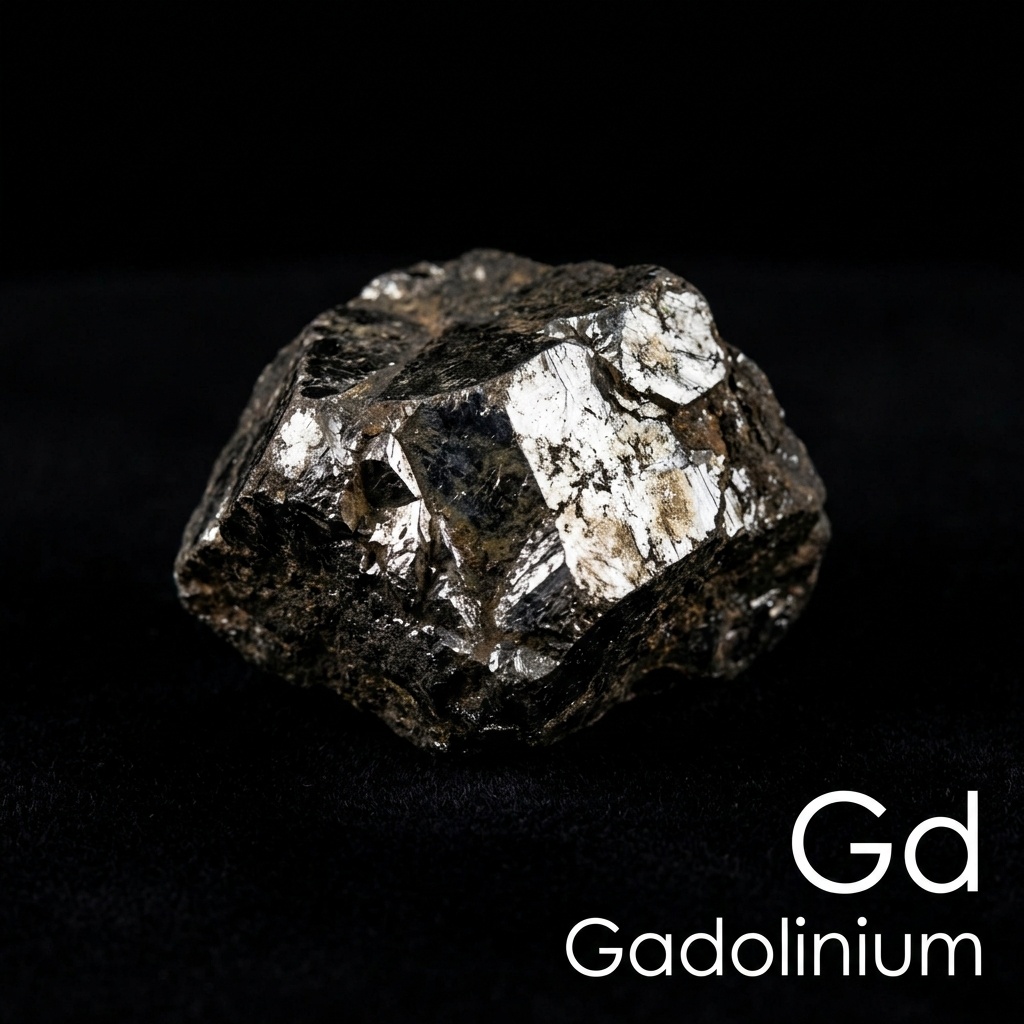
| Gd Gadolinium | MRI contrast agents, nuclear reactor neutron absorbers, magnetocaloric refrigeration research, and specialty optical glass. | MedicalNuclear |
| La Lanthanum | FCC petroleum cracking catalysts, nickel-metal-hydride battery chemistry, high-refractive-index optical glass. | RefiningBatteryOptics |
| Ce Cerium | Automotive emissions catalysts, precision glass polishing for optics and semiconductor lithography, UV-blocking coatings. | AutoSemiOptics |
Vertical integration is a security posture. Every kilogram of material under Patriot custody is traceable from mine-mouth to manufacturing floor — by assay, by batch, by transfer record.
Allied-jurisdiction mining partners, ore concentration, resource feasibility, and certified supplier networks vetted under CFIUS and FOCI standards.
Mineral separation, high-purity refining, alloy production, and ultra-fine metallization for defense and semiconductor applications.
Bonded storage, certificate-of-analysis on every batch, environmental controls, restricted access, and audited inventory ledgers.
Release to defense contractors, semiconductor fabs, and authorized commercial manufacturers under documented chain-of-custody.
Patriot Strategic Metals operates at the intersection of commercial agility and government-grade discipline. Every capability listed below is documented in our governance, compliance, and operating frameworks.
A stockpile program of refined critical minerals held against defense industrial base demand and emergency supply disruption.
Equal-member governance shared with allied-jurisdiction partners and a U.S. government finance institution; structured for FOCI compliance from day one.
Inventory tracking by material type, quantity, purity grade, origin, storage location, and custody status — audited and reportable to government partners.
Integration with the Demora RWA exchange enables institutional buyers to transact in tokenized strategic-metal inventory with on-chain settlement and off-chain custody.
Patriot Strategic Metals LLC is governed by a three-member structure. JP3 and Sterling Group each hold 25%, with the remaining 50% held by the Strategic Investor Group comprising U.S.
U.S. holding entity serving as the operating manager. Responsible for procurement, vault operations, supply chain orchestration, and government program engagement.
Allied-jurisdiction member providing capital structure, international procurement networks, and strategic relationships across allied refining and trading partners.
A consortium of qualified U.S. partners and accredited investors holding the majority stake. Provides capital base, domestic operational networks, and execution capacity supporting the Company's reserve build-out and scale.
SMAP is the controlled-access channel through which qualified defense primes, federal agencies, and institutional buyers transact against Patriot's vaulted strategic-metals inventory. Tiered membership. Documented chain of custody. Allocation by program priority.
Production-line allocations under documented offtake agreements.
Priority release under DPA Title III, DIBC, and federal stockpile programs.
Tokenized RWA exposure via the Demora exchange with off-chain custody.
Vetted-buyer registry access. Market intelligence reports, quarterly inventory summaries, and qualifying access to standard-grade material inquiries.
Pre-allocated material drawdown rights against signed offtake agreements. Real-time inventory access. Priority over spot inquiries.
Multi-year supply commitments with reserved vault capacity. Custom material specifications. First-look access to incoming inventory and joint program proposals.
Reserved exclusively for U.S. federal agencies, DoD program offices, and allied-nation strategic stockpile programs operating under government-to-government terms.
Active SMAP members access inventory, allocations, certificates, and document portal.
All sessions monitored & logged. FOCI-compliant access controls. Hardware token + IP allowlist required for Tier III & IV.
Submit qualification details for review by the Patriot operations desk. Application is non-binding.
The strategic-materials policy frameworks operative across the United States, the European Union, Japan, and Korea have converged on a common objective. Patriot Strategic Metals is structured to operate as a qualified counterparty under each — not as an applicant for any single one.
Federal funding and procurement preference for domestically produced semiconductors and critical-mineral inputs to the defense industrial base. DPA Title III authorities allow direct investment in capacity for strategic materials.
Establishes EU benchmarks for domestic extraction, processing, and recycling of strategic raw materials, with diversification targets that explicitly cap single-third-country dependency. Patriot's Swiss bonded custody anchor positions the platform within the EU regulatory perimeter.
Japan's economic security legislation and METI strategic materials programs establish a qualification framework for allied suppliers of defense-critical inputs. The 2010 China–Japan REE dispute remains the foundational policy reference.
Korea's strategic minerals reserve initiatives and supply-chain resilience legislation establish a national framework for diversifying critical-material inputs into the semiconductor, battery, and defense industries.
Patriot Strategic Metals is designed to be a qualified counterparty under the policy frameworks of the United States, the European Union, Japan, and Korea — simultaneously, not sequentially. The platform's allied jurisdictional anchors, transparent compliance posture, and documented chain-of-custody architecture are the operational expression of that design.
Contact operations to request a briefing or initiate qualification.